Loading...
Serving Buckeye, AZ and surrounding areas. (480) 791-2560
Monsoon storms hit fast in Buckeye. If your driveway has no drainage plan, that water sits on the surface and quietly destroys the base underneath.
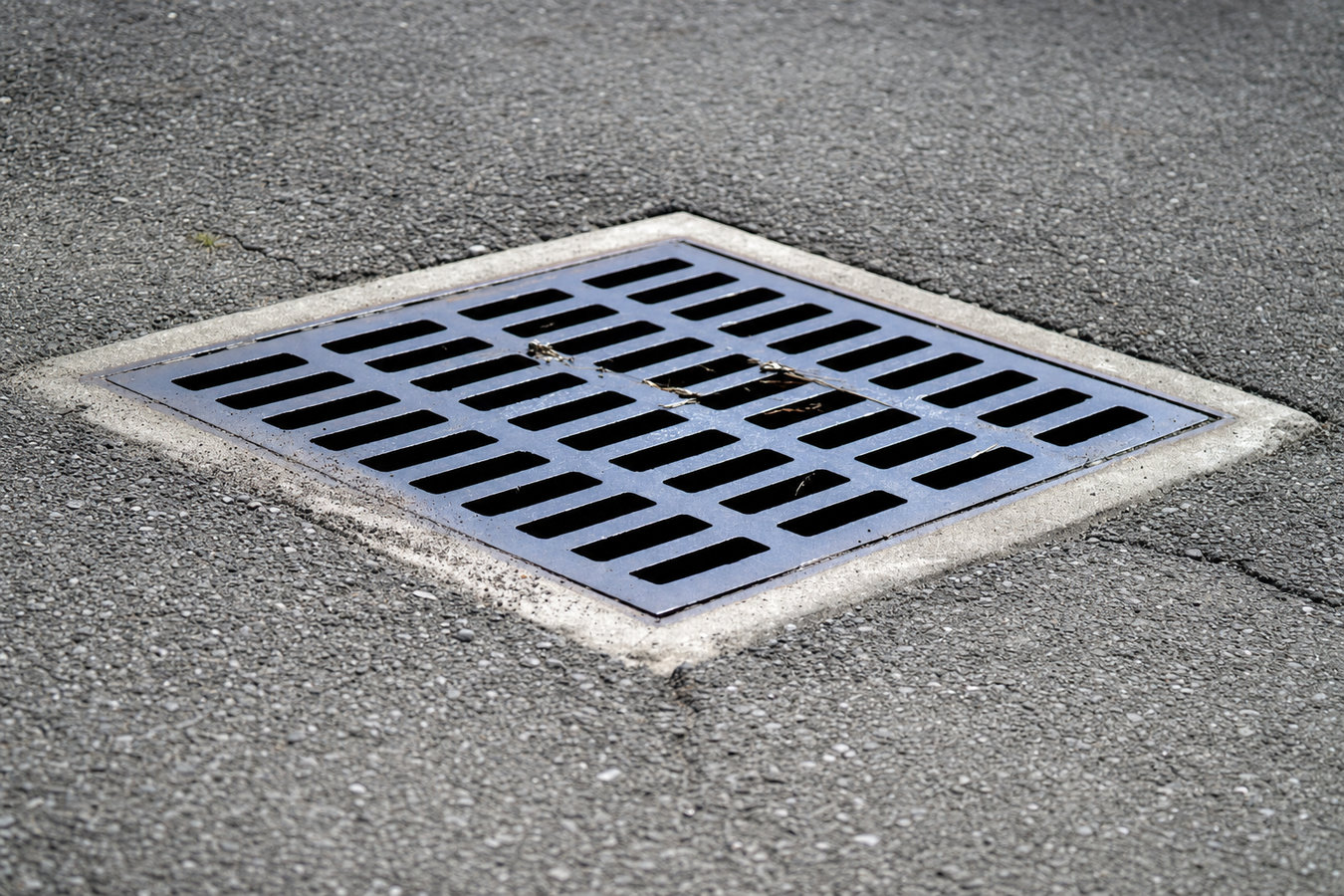
Drainage solutions in Buckeye move stormwater away from your driveway and foundation through catch basins, channel drains, or surface re-grading, and most residential jobs are completed in one to three days depending on the scope.
Buckeye sits on caliche soil that water cannot penetrate. Add flat terrain and summer monsoon storms that can drop an inch of rain in under an hour, and your driveway becomes a collection point every season. If there is no designed path for that water to follow, it soaks into the base beneath your asphalt and the damage starts before the puddle dries. Our drainage solutions work alongside grading and excavation to address the root cause, not just the symptom.
Water against your foundation is a more expensive problem than a drain install. Getting the right fix in place before monsoon season protects both your pavement and your home.
Standing water on your driveway after a monsoon - even a moderate one - means the surface is not draining correctly. In Buckeye, where caliche prevents absorption, that pooling puts real stress on the asphalt and the base beneath it. Left alone, it gets worse each season.
If rain flows off your driveway and collects against the garage door or along your home's foundation, that moisture can work under slabs and cause settling over time. Foundation repairs cost far more than a drainage fix. This is a warning sign worth addressing now.
Cracks that multiply after storms, or spots where the pavement feels soft underfoot, often mean water has reached the base layer. In Buckeye's summer heat, a compromised base breaks down faster than it would in a cooler climate because heat-softened asphalt has less strength to resist the movement below.
Gravel, soil, or landscaping material washing away from the sides of your driveway after storms means water is crossing the surface with enough force to carry material. That erosion will eventually undermine the pavement's edges, leading to crumbling that spreads inward over time.
Every drainage problem is different, so we start with a site visit before recommending anything. We look at where water is collecting, how the surface is currently sloped, and where a drain outlet can realistically be routed. For many residential driveways, a single catch basin or channel drain installed in one day solves the problem. For properties with more complex water flow issues, we may combine drain installation with grading and excavation to reshape the surface so water moves toward the drain by design, not by luck.
Good drainage is not just about the drain itself - it starts with the slope of the surface and the stability of the base. If the base has shifted or eroded, water will find its way back even after a new drain is added. That is why we assess the base before recommending a fix. Larger projects that combine drainage with speed bump installation or full re-grades on commercial lots are also in our scope.
Suits driveways and paved areas where water collects in a specific low spot and needs a contained outlet.
Suits properties where water sheets across a wide surface and needs a linear collection point across the full width.
Suits driveways or paved areas that have settled flat or toward the wrong side and need the slope corrected to move water away from structures.
Suits larger commercial or HOA properties with multiple collection points that need a coordinated outlet plan.
Buckeye sits in the Sonoran Desert where summer monsoon storms can drop an inch or more of rain in under an hour. The caliche layer common throughout the West Valley means that water cannot absorb into the ground - it spreads across whatever surface it lands on and collects wherever the terrain is lowest. Couple that with Buckeye's largely flat landscape and you have near-perfect conditions for driveway flooding every monsoon season. Customers we serve in Goodyear and Avondale deal with the same caliche soil and flat terrain, and drainage calls spike every July through September across the whole West Valley.
Buckeye's summer heat adds another layer of risk. Temperatures regularly exceed 110°F, which softens asphalt and makes it more vulnerable to damage when water is trapped underneath or at the edges. A drainage problem that might be minor in a cooler city can accelerate pavement failure here because the combination of heat and moisture stress is harder on the material. Many of Buckeye's newer master-planned communities also have HOA rules about how water must be managed on your property, so it is worth checking those guidelines before work begins - we know the common requirements and can help you navigate the process.
Reach out by phone or through our contact form. We reply within one business day and schedule a site visit at your convenience - before we quote anything, we need to see where the water is going.
We walk your property, identify where water collects, assess the base condition, and map out where a drain outlet can be routed. You receive a written estimate that explains the recommended fix in plain language - no guesswork.
On work day, the crew excavates, installs the drain structures and any pipe, and ties everything back into the surrounding pavement cleanly. If existing asphalt is cut, new material is laid and compacted to match the surrounding surface.
Before we leave, we walk the job with you. We show you where the drain outlets are, explain how to keep the grates clear of debris after monsoon season, and confirm the surface is ready for normal use on the timeline we gave you.
Free site visit, written estimate, no obligation. We reply within one business day.
(480) 791-2560We design drainage systems for Buckeye's specific conditions - caliche soil that blocks absorption, flat terrain that holds water, and monsoon storms that arrive fast and heavy. A contractor who does not understand these factors will give you a generic solution that may not work here. We have seen what fails and what holds up season after season in the West Valley.
We check the base condition before recommending any drain solution. If the base has shifted or eroded, adding a drain without addressing it means water will find its way back. Skipping this step is the most common reason drainage work has to be redone, and we do not cut that corner. The National Asphalt Pavement Association identifies subgrade condition as a primary factor in pavement drainage performance.
We hold an active Arizona contractor's license, verifiable through the Arizona Registrar of Contractors. When drainage work connects to a public right-of-way and requires a city permit, we handle the application - you do not have to figure out the paperwork.
We can tell you exactly where the water goes after it enters the drain, the slope of the pipe, and why that path works for your specific property. A contractor who cannot answer that question has not fully designed the solution. We put the plan in writing before any work starts so you know what you are getting.
Every drainage solution we install is designed for how your property actually drains, not how a generic plan assumes it does. When the next monsoon season arrives, you should be watching the rain, not watching your driveway flood.
Add physical traffic control to driveways and private roads that also benefit from improved drainage planning.
Learn MoreReshape the ground surface so water moves away from structures rather than collecting against them.
Learn MoreSummer storms are coming. Schedule your free site visit now and have a working drain system before the first heavy rain of the season.