Loading...
Serving Buckeye, AZ and surrounding areas. (480) 791-2560
Buckeye driveways take a beating from year-round UV and monsoon rains. A professional sealcoat stops the damage before it turns into a costly repair.
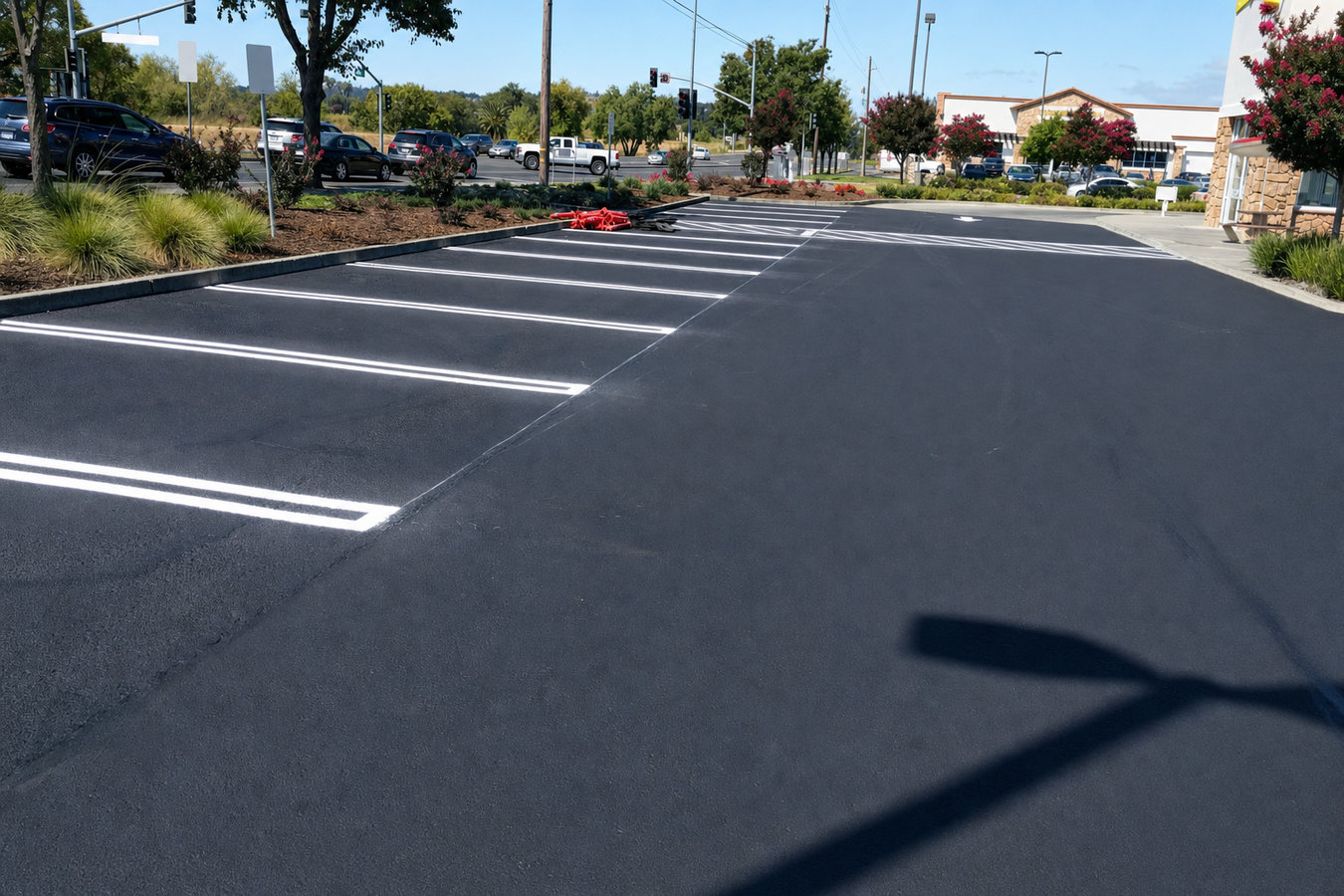
Asphalt sealcoating in Buckeye, AZ is a thin protective layer applied over an existing paved surface to block UV rays, repel water, and slow oxidation - most residential driveways are sealed and back in use within 24 to 48 hours.
If your driveway has started fading from dark black to a washed-out gray, that is the Buckeye sun doing its work. The UV intensity out here - regular summer highs above 110 degrees - oxidizes the binder that holds asphalt together faster than in cooler climates. Once that binder breaks down, small cracks form, water gets in during monsoon season, and the surface starts to fail from the inside out. A sealcoat applied before that process goes too far keeps your driveway solid and dark for years longer than leaving it exposed.
Sealcoating is not a structural repair - it protects a surface in good condition. If you already have significant cracking, those areas benefit from asphalt crack sealing first, then a coat on top. For driveways with deeper damage or base failures, ask us during the estimate walkthrough and we will tell you honestly what the surface needs.
Fresh asphalt is dark and rich-looking. When it fades to light gray, the sun has been breaking down the surface binder. In Buckeye's intense UV environment this happens faster than most homeowners expect. A sealcoat restores the barrier before deeper damage sets in.
If water sits on the surface after a monsoon storm rather than running off, or soaks in rather than beading, the protective layer has worn through. Water penetrating the surface is how base damage starts, and that leads to much more expensive repairs.
Hairline cracks are early signs the asphalt is drying out and losing flexibility. Left through another summer of heat and a couple of monsoon seasons, those small cracks widen and let water reach the base. Catching them at this stage is far cheaper than waiting.
Even if your driveway looks okay, the protective layer from a previous application wears thin over time - especially under Buckeye's sun. If you cannot remember the last time it was done, or it has been three or more years, the surface is likely more exposed than it looks.
Every sealcoating job starts with a thorough surface prep - blowing off debris, scrubbing oil stains, and filling cracks with flexible filler material. Skipping prep is the most common reason sealcoating peels or wears unevenly. We include this step in every written quote. If your surface also needs parking lot striping after sealing - whether you run a commercial property or just want clean lines on a residential pad - we can coordinate both in the same project.
After prep, most residential driveways receive two coats applied by squeegee or spray for better coverage and durability. The crew blocks off the driveway during curing. You will need to stay off the surface for at least 24 hours on foot and keep vehicles off for 48 hours. We do a final walkthrough before leaving so you know exactly what was done and when the next application is recommended.
Ideal for homeowners in Buckeye and the surrounding West Valley who want to extend driveway life and maintain curb appeal without a full replacement.
Suited for property managers, HOAs, and business owners who need a large paved surface protected and looking sharp for tenants and customers.
In most of the country, sealcoating is mainly about keeping water out. In Buckeye, the bigger threat is the relentless sun. UV radiation is the single biggest enemy of unprotected asphalt in this part of Arizona. It oxidizes the binder that holds everything together, turning surfaces gray, brittle, and prone to cracking far faster than in cooler climates. Many of Buckeye's homes were built in the last 20 years, which means a lot of driveways are at exactly the right age for a first or second sealcoating application. Monsoon season - roughly July through September - brings sudden, heavy rain after months of dry heat. Water that pools on an unsealed or cracked driveway works its way into the base and accelerates damage. Sealing before that first big storm of the season is a smart move.
Timing also matters in a way it does not in other climates. Summer afternoon surface temperatures in Buckeye can climb well above the air temperature, making sealer applications in July and August risky - the product can dry before it bonds properly and the result is brittle rather than protective. We cover the entire West Valley, including Goodyear and Surprise, and we plan every job around local conditions so the work holds up.
Describe your driveway - size, age, and any visible cracks. We reply within one business day to schedule a site look before giving you a firm, written quote.
We check for cracks needing filler, oil stains needing degreaser, and any signs of base movement. In Buckeye's climate, a heavily oxidized surface may need a different prep approach to help the sealer bond correctly.
The crew blows off debris, scrubs oil spots, and fills cracks with flexible filler. This prep work is what separates a coat that lasts two to three years from one that peels within a year.
Two coats go on by squeegee or spray. The driveway is blocked off during curing. Plan to stay off the surface for at least 24 hours and keep vehicles off for 48 hours - parking too soon is the most common way a fresh coat gets damaged.
Fall and winter are the ideal time for sealcoating in the West Valley. Spots fill up - call now or submit the form and we will get back to you within one business day.
(480) 791-2560In Buckeye's climate, proper prep is what makes sealcoating last. We include crack filling and surface degreasing in your written quote so you know exactly what you are getting before work begins.
Arizona requires contractors performing paving work to hold a state-issued license. You can verify any license through the Arizona Registrar of Contractors at azroc.gov. Hiring a licensed contractor protects you if something goes wrong.
We know Buckeye's summer surface temperatures can climb past 150 degrees on an asphalt driveway. We schedule jobs in the early morning or outside the peak summer months so the sealer bonds the way it should - not rushed and brittle.
Membership in the NAPA connects us to current industry standards and best practices for asphalt maintenance in desert climates. That knowledge shows up in how we select materials and sequence your job.
These are not just checkboxes - they are the details that determine whether your sealcoat lasts two to three seasons or flakes off within the first year. If you want to verify our license, visit azroc.gov. If you want to understand industry standards for asphalt maintenance, the National Asphalt Pavement Association publishes resources we follow closely.
After sealing, fresh line markings restore order and curb appeal to any paved lot or commercial property.
Learn MoreTargeted crack sealing stops moisture and heat from widening damage before a full sealcoat is applied.
Learn MoreFall and winter book out fast in the West Valley. Contact us today for a free estimate and get your driveway protected before the next season.